

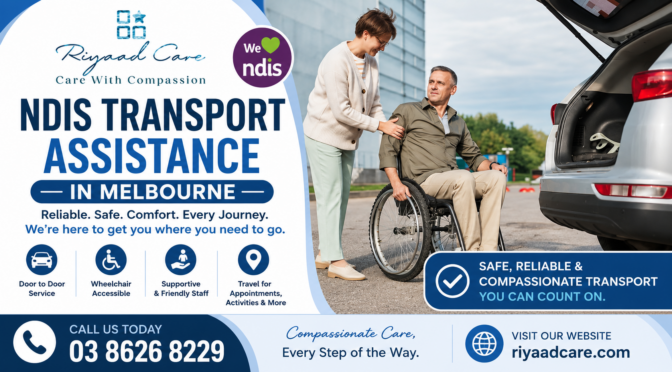
Getting around shouldn’t stop your independence when living with disability. The NDIS transport system in 2026 helps access taxis, rideshare, and community transport easily. Three funding levels support different life circumstances fairly and transparently. This guide explains everything simply so you make informed travel decisions.
The Three Transport Funding Levels
The NDIS transport assistance in Melbourne offers three tiers based on your situation:
- Level 1 (~$1,784/year): For occasional community access. Best for people not working or studying regularly.
- Level 2 (~$2,676/year): For part-time work or study (under 15 hours weekly). Covers regular trips to work and social activities.
- Level 3 (~$3,456/year): For full-time work, study, or active job seeking. Supports busy schedules requiring frequent travel.
Your level depends on employment status and disability-related travel needs. Request reassessment if circumstances change with supporting evidence.
Major 2026 Pricing Changes
Therapy Provider Travel Rates
From 1 July 2025, therapy providers charge only 50% of hourly rates for travel. A physiotherapist charging $183.99 hourly bills $92.00 for travel now. This reduces overall therapy funding costs for participants significantly.
Support workers have not been affected by this change and maintain standard rates. This distinction is crucial when planning your support budget effectively.
Transport Types Explained
- Transport Allowance: Paid directly to your bank account every fortnight. Use it for taxis, rideshare, community transport, or approved services.
- Activity-Based Transport: Providers claim this when transporting you to community activities. This comes from separate budgets with different claiming rules.
Your transport allowance is quarantined for transport purposes only. You cannot flex this funding to other support categories like daily living.
How to Use Your Transport Funding?
- Payment Method: Direct bank transfer every fortnight. No receipt submission required for periodic payments.
- Approved Options: Taxi services, rideshare platforms, community transport, and private vehicles.
- Maximise Your Budget: Combine NDIS funding with state taxi subsidy schemes. This stretches your resources considerably further for better coverage.
The reasonable and necessary test applies to all transport requests. NDIA staff assess whether your disability prevents safe public transport use.
Maximising Your Support Effectively
Track your weekly travel patterns carefully. Count trips for work, study, appointments, and community access honestly.
Document disability-related barriers to public transport clearly. Keep records of when public transport isn’t safe or accessible.
Use this evidence when discussing plans with your planner. Request reassessment if your needs increase with supporting documentation.
Your disability transport support in Melbourne works best through careful planning. Reserve your allowance for trips requiring specialised transport options.
Conclusion
NDIS transport assistance in Melbourne empowers people with disabilities toward independence. Understanding 2026 pricing limits helps you plan better for travel. Your transport allowance is yours to use for disability-related travel.
Your independence matters. Contact Riyaad Care today to discuss your transport options.
- Phone: 03 8626 8229 (Business Hours) / 0404 914 729 (After Hours)
- Email: riyaadcare@gmail.com
- Website: https://riyaadcare.com/
As a reliable NDIS transport provider in Melbourne, we understand the independence journey of every participant. We help you navigate transport options with confidence and expertise. Let us support you in accessing the assistance you truly deserve.
Frequently Asked Questions
- Can I use my transport allowance for holidays or family trips?
No, your transport allowance covers only disability-related travel. Holidays and social trips don’t qualify under NDIS funding rules. The funding focuses on travel for work, study, appointments, and community access. - What happens if I don’t use my transport allowance each quarter?
Transport funding typically carries forward to the next quarter under rollover rules. Check your plan documents for specific provisions carefully. Contact the NDIA directly if unsure about your arrangements. - Can my support worker drive me using NDIS funding?
Yes, support workers can provide transport as part of their duties. Support worker transport rates remain unchanged from previous years. This differs from therapy provider travel, which now charges at 50% rates. - Do I need to prove my expenses to access transport funding?
No, you don’t need to submit receipts for your transport allowance. The NDIA pays the amount directly to your account fortnightly. This gives you full flexibility to use funds as needed. - What is the difference between transport allowance and activity-based transport?
Transport allowance is paid directly to you for your travel needs. Activity-based transport is claimed by providers when transporting you to community activities. These come from separate budget categories with different rules. - Can I request a higher transport level between plan reviews?
Yes, you can request reassessment any time your circumstances change. If you start working or studying, contact the NDIA for review. Submit evidence showing your new travel needs to support your request. - How do state taxi subsidy schemes work with NDIS funding?
State taxi subsidies reduce the cost of taxi fares in your state. You then pay the remaining amount using your NDIS transport allowance. Combining both systems stretches your total transport budget considerably. - Are rideshare services like Uber approved by the NDIS?
Yes, rideshare services are approved transport options under NDIS rules. You can use your transport allowance for Uber and similar platforms. These provide flexible alternatives to traditional taxis or community transport. - What happens if my transport costs exceed my Level 3 funding?
In exceptional employment circumstances, you may qualify for higher funding. You must get explicit NDIA approval and provide supporting evidence. Demonstrate that costs genuinely exceed Level 3 consistently and substantively. - Can I flex my transport funding to other support categories?
No, transport allowance is quarantined specifically for transport purposes. You cannot move this funding to daily living or community participation categories. However, you can request reassessment if transport isn’t your priority.


